Targeting Activity Time of CRISPR RNA Improved with Modified CRISPR-Cas13 Guides
The CRISPR gene editing system is most commonly used for making cuts to double stranded DNA to remove or replace faulty genes, but that is not the only way that…
Groundbreaking discoveries and inventions in the Life Sciences advancing Evidence Based Medicine

The CRISPR gene editing system is most commonly used for making cuts to double stranded DNA to remove or replace faulty genes, but that is not the only way that…
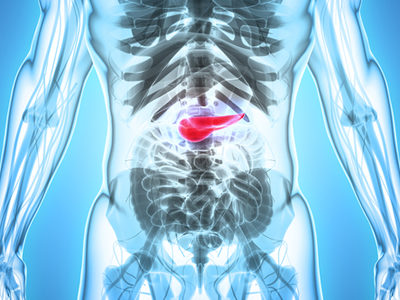
Patients living with Type 2 diabetes that also require kidney dialysis may soon benefit from an artificial pancreas which would help them manage their blood sugar levels to prevent blood…
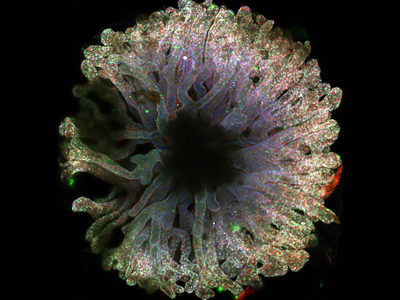
Image source: Zipeng Zeng/Li Lab, USC Keck School of Medicine. USC researchers have created a key building block for assembling new types of synthetic kidney organoids to study kidney diseases…
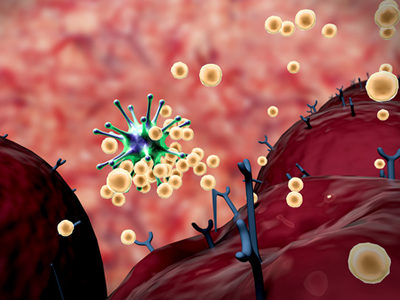
A team of researchers at the University of California, San Francisco have modified the CRISPR-Cas9 gene editing tool to allow them to efficiently make genetic edits in human monocytes –…

Researchers at the Wyss Institute for Biologically Inspired Engineering at Harvard have developed a new gene editing technique called Retron Library Recombineering (RLR), which could potentially serve as an alternative…
Researchers at University of California San Francisco have modified the architecture of the CRISPR gene editing tool to target the epigenome: The proteins and small molecules that are used to…
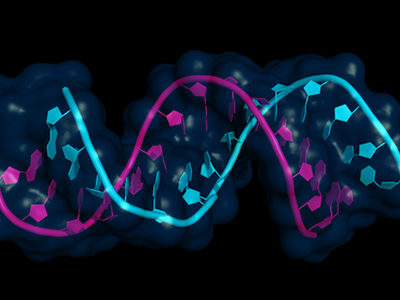
A new RNA sequencing method has been developed that has been used to identify numerous modified small RNAs that have, until now, not been possible to detect. RNA plays an…

Researchers at the Georgia Institute of Technology and Emory University have utilized CRISPR technology for a potential new treatment for RNA-based viruses such as SARS-CoV-2 and influenza, which stops the…
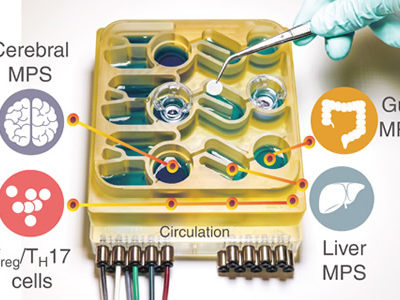
Image Source: MIT Evidence of the link between the digestive tract and the brain is growing, with some recent studies indicating the makeup of the gut microbiome can have and…
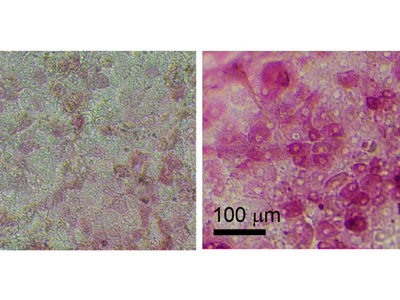
Scientists in Japan have successfully differentiated enterocytes from human induced pluripotent stem cells (HiPSCs) which can be used to create a more accurate model of the human small intestine. An…