Studies Suggest CRISPR Gene Editing May Cause Cancer
The CRISPR gene editing tool has attracted considerable interest due to the ease at which it can be used to edit troublesome genes and eradicate a wide range of diseases….
Groundbreaking discoveries and inventions in the Life Sciences advancing Evidence Based Medicine

The CRISPR gene editing tool has attracted considerable interest due to the ease at which it can be used to edit troublesome genes and eradicate a wide range of diseases….
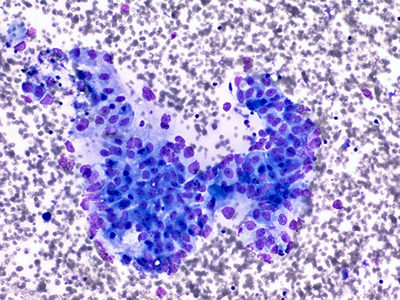
Researchers at Babraham Institute have demonstrated certain tumors have two processes that provide protection against the immune system. While it is possible to knock out either of those protective mechanisms,…
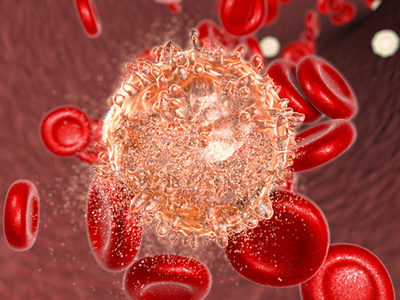
The majority of cancer deaths occur due to metastases – Where cancer cells from a tumor break away and cause cancers in other parts of the body. Some cancers are…

Devastating brain diseases such as Creutzfeldt-Jakob disease (CJD) are caused by infectious protein particles called prions. Prions are proteins that have folded incorrectly, and they play a role in several…

Kidney disease is the ninth leading cause of death in the United States, affecting an estimated 31 million people. When patients reach stage 4 of chronic kidney failure they are…

Researchers at the Newcastle University have successfully bioprinted human corneas using a 3D printing process called pneumatic 3D extrusion bioprinting. The cornea is the outermost layer of the eye and…

The U.S Food and Drug Administration (FDA) has approved a new AI algorithm to help physicians diagnose wrist fractures in adult patients. The computer-aided detection and diagnosis software platform –…
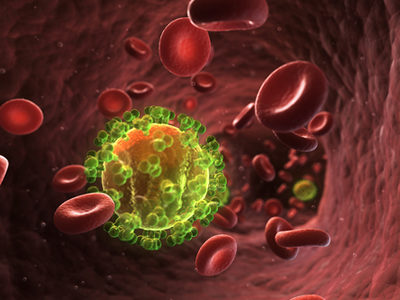
An estimated 35 million people have been infected with HIV-1, and while antiretroviral therapy (ART) has allowed the disease to be managed, current treatments are incapable of eliminating the virus…

Blood transfusions are necessary for the treatment of diseases such as thalassaemia or sickle-cell disease. The blood donation service generally meets patients’ needs, although for some patients with rare blood…
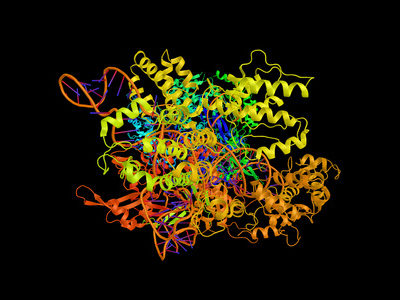
A single treatment with CRISPR/Cas9 has reduced cholesterol levels in mice for six months. The treatment was used to switch off a gene responsible for regulating cholesterol levels. While CRISPR/Cas9…