TALEN Gene-Editing Technique Used to Treat Leukemia using Non-HLA Donor Cells
Gene editing is one of the most exciting areas of biomedical science and could have a major impact on how patients are treated for disease in the near future. A…
Groundbreaking discoveries and inventions in the Life Sciences advancing Evidence Based Medicine

Gene editing is one of the most exciting areas of biomedical science and could have a major impact on how patients are treated for disease in the near future. A…
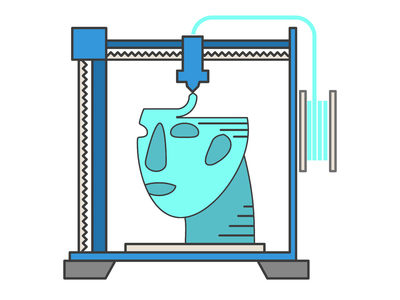
A team of scientists at Universidad Carlos III de Madrid (UC3M), the Center for Energy, Environmental and Technological Research, and Hospital General Universitario Gregorio Marañón in Madrid have been the…
A professor of biomedical engineering from New York City’s Columbia University has developed an implantable biobot drug pump that can deliver timely doses of drugs. The device has been tested…

In vitro growth of tissues has great potential for a wide range of medical applications. Tissues can be grown in the lab and then used to replace damaged or lost…
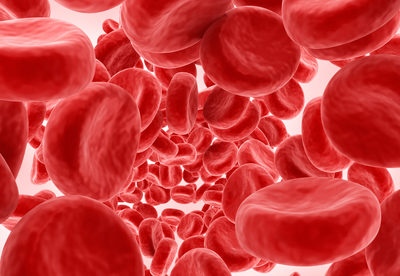
A research team at Stanford University has developed a biosensor that allows real-time monitoring of blood chemicals. Not only is the device able to constantly monitor the presence of chemicals…

Researchers at the Feinstein Institute for Medical Research have developed a ‘neural tourniquet’ that can be used to stop bleeding. While many surgeons remain skeptical about the use of nerve…
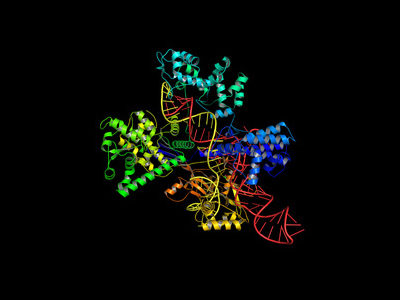
CRISPR-Cas9 gene therapy has been shown to be effective in vitro, although until now the gene editing technique has not been used in vivo in humans. However, a group of…

Hawaii-based company TruTag Technologies has developed optical microtags that could be used to authenticate drugs and tackle the growing problem of counterfeit pharmaceuticals. Counterfeit drugs are causing hundreds of deaths…
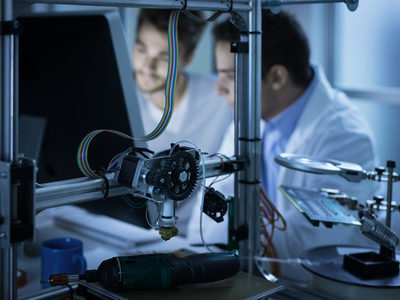
A new method for 3D printing biomaterials for tissue engineering has been developed by researchers at Tufts University in Medford, Massachusetts. Current techniques for shaping biomaterials are limited to soft…
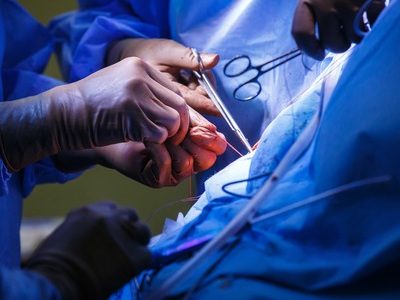
Nanosensors have tremendous potential in diagnostic medicine but their use to date has been limited. However, researchers at Tufts University have developed a new ‘smart thread’ containing nanosensors and microfluidics…